
Markus Krebber talks about current developments, our achievements and what our goals are.
RWE Group – key figures for 2024
Adjusted EBITDA
2023: €7,749 million
Adjusted cash flow from Phaseout Technologies
2023: €117 million
Adjusted EBIT
2023: €5,802 million
Adjusted net income
2023: €4,098 million
Cash flows from operating activities
2023: €4,223 million
Net debt
2023: –€6,587 million
Capital expenditure
2023: €9,979 million
Installed capacity
2023: 44,491 MW
Power generation
2023: 129,701 GWh
„Growing Green“ –
our strategic roadmap to 2030
We presented our Growing Green strategy at the Capital Markets Day in November 2023. In this context, we announced that we would make net investments (after deducting divestments) of about €55 billion in the expansion of our electricity generation, storage and electrolysis capacities during the seven-year period from 2024 to 2030. We have made good progress in rolling out Growing Green. Last year, our net capital expenditure totalled €10 billion – the highest level in 15 years. However, we also witnessed the framework conditions in the energy sector becoming less certain. For instance, it is unclear what course the US administration will chart for the expansion of wind energy. As a rule, we only invest under favourable economic and regulatory conditions. Otherwise, we spend funds in areas with a better risk-return ratio. One example of this is our share buyback programme, which we launched in November 2024 (see page 39). We now plan to make total net investments amounting to €35 billion in the six years from 2025 to 2030. This is about a quarter less than the sum we had originally envisaged for this period. Despite the lower capital expenditure, we still expect to be able to achieve an adjusted net income per share of about €3 in 2027. The target for 2030 remains in the order of €4 per share.
More information on the individual components of our growth programme can be found here:
Offshore Wind
At the end of 2024, our offshore wind portfolio had a total installed capacity of approximately 3.3 GW. This figure is calculated on a pro-rata basis, in line with our shareholdings. As of the balance-sheet date, another 4.4 GW was under construction, namely our North Sea wind farms Sofia (UK), Thor (Denmark), OranjeWind (Netherlands) and Nordseecluster A and B (Germany). With the exception of Nordseecluster B, we expect to complete these projects in the 2026 / 2027 period. However, we also plan to sell certain shareholdings, which will reduce the generation capacity allocable to us. Our growth investments’ geographic focus rests on northwestern Europe. Our offshore activities in the USA will be resumed once the political framework allows. We are also planning to build new wind farms in the coastal regions of Japan, South Korea and Australia.
Click on the bars for more information
Onshore Wind
By the end of 2024, our land-based wind farms had a total pro rata installed capacity of 9.0 GW. Assets accounting for a further 2.1 GW are under construction. Capacity additions will be made above all in North America and Europe. Plans for projects in Australia are also underway.
Click on the bars for more information
Solar
By the end of 2024, our solar assets had a total pro rata installed capacity of 5.7 GW. Assets accounting for 3.2 GW are under construction. We intend to continue growing our business in these two technologies. Capacity additions will be made above all in North America and Europe. Plans for projects in Australia are also underway.
Click on the bars for more information
Flexible Generation & H₂
In most RWE markets, gas-fired power plants play a key role in ensuring security of supply. At the end of 2024, our generation portfolio included 15.8 GW (pro rata) of gas-fired capacity. We see a particular need for investments in Germany, where a substantial portion of secured generation capacity will be taken off the grid in the wake of the coal phaseout. We have already begun to do preparatory work to build new gas-fired power plants there. The stations will be designed with a view to being capable of running on hydrogen and will be constructed on sites which have until now been utilised for producing coal-fired or nuclear energy, as the necessary infrastructure already exists. That said, we will only make these investments if the government provides the necessary economic incentives.
The hydrogen economy is a crucial part of the energy transition and a perfect complement to our business model. We want to be active along the entire value chain, from green electricity generation to electrolysis-based hydrogen production, hydrogen trading and hydrogen storage right through to the conclusion of individual supply agreements with major industrial customers. Our regional focus for these activities is on Germany, the Netherlands and the UK.
Click on the bars for more information
Batteries
Increased dependence on more volatile energy sources such as solar and wind calls for more battery storage systems. Our operational battery storage capacity in late 2024 amounted to 1.1 GW (pro rata), with a further 2.3 GW of capacity under construction. In the USA, we often build storage facilities and solar farms together to optimise the timing of photovoltaic feed-ins to the local grid. Conversely, our large-scale batteries in Germany and other European markets are usually operated independently. We use them to capitalise on price variations on the wholesale electricity market or to provide system services for grid operators.
Click on the bars for more information
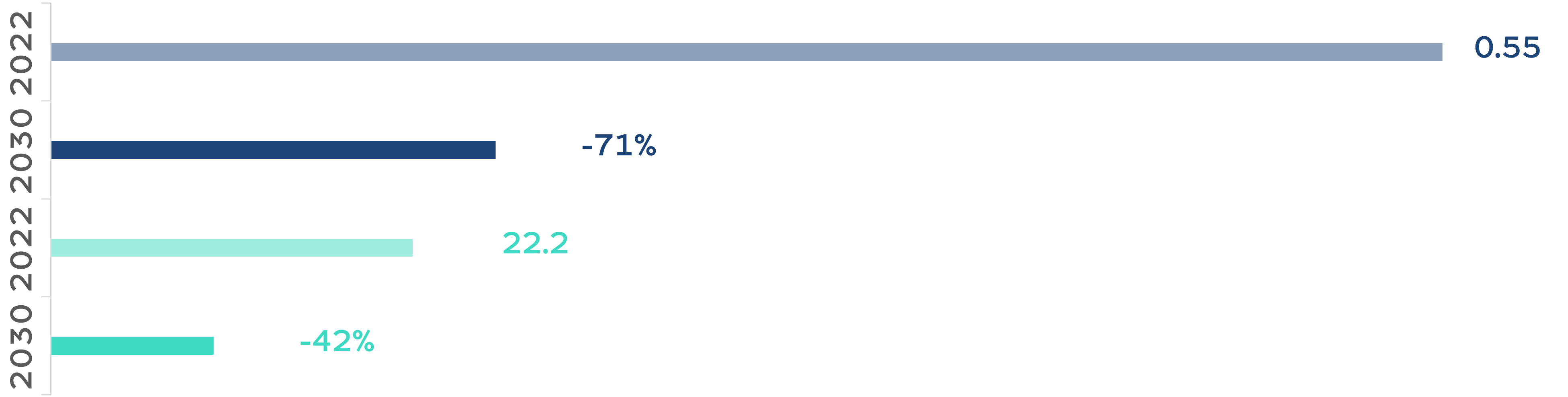
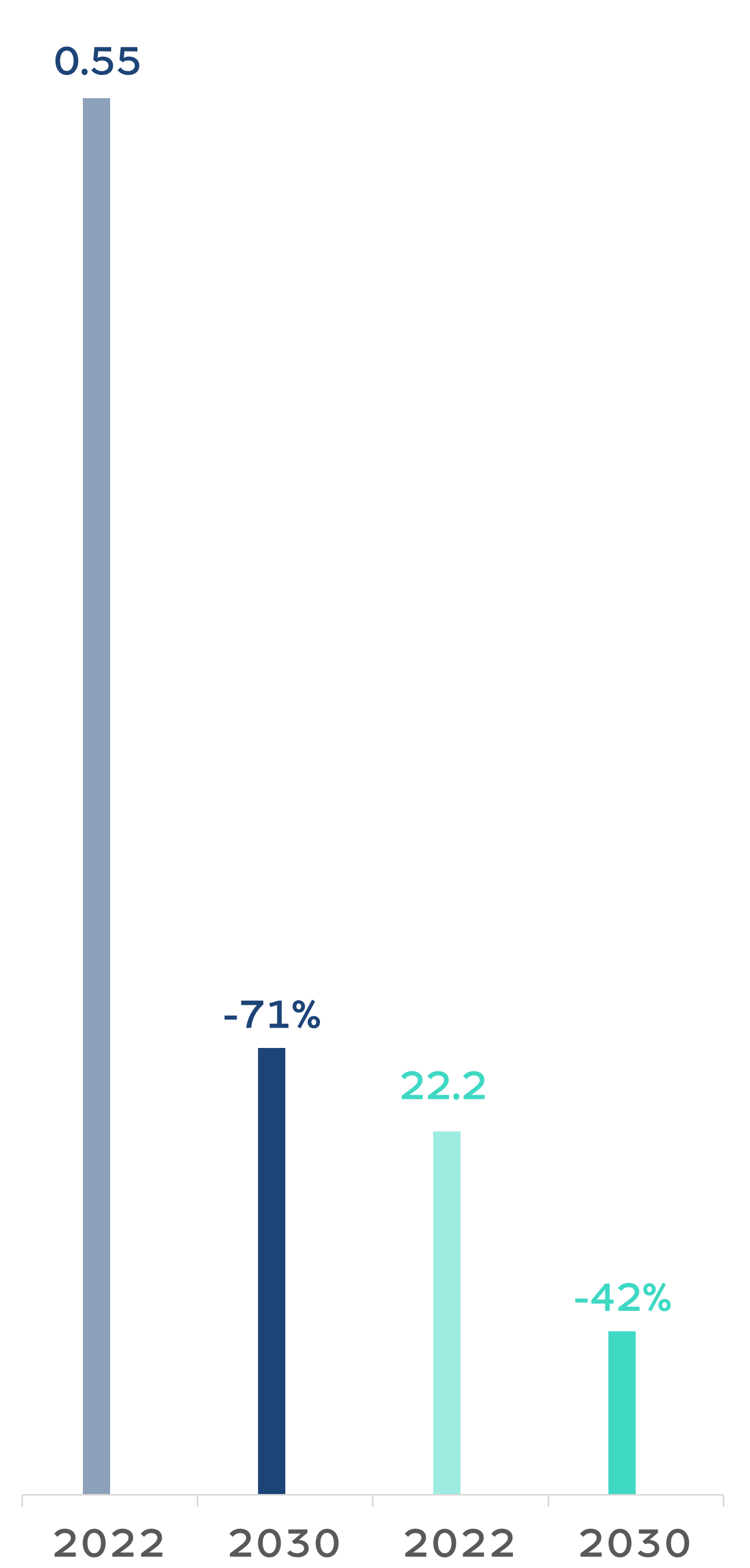
We want to be carbon neutral by 2040.
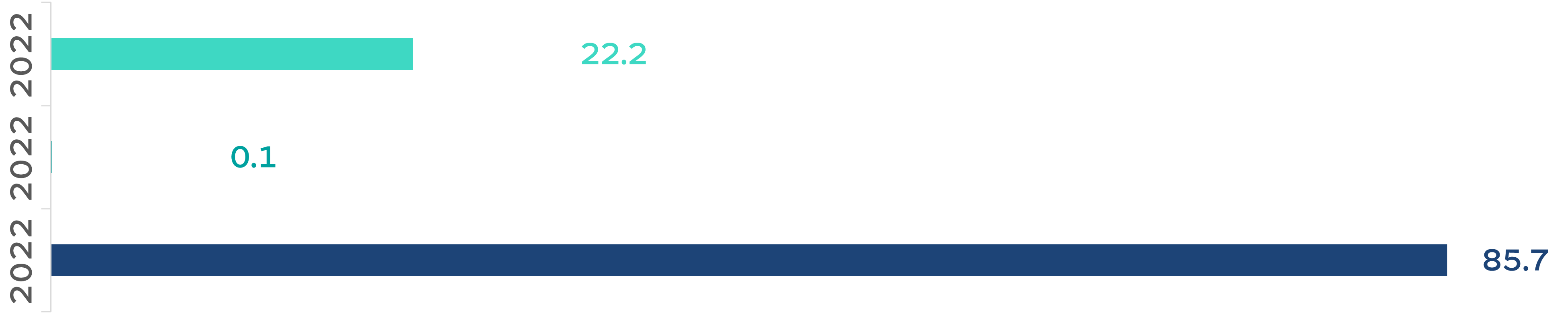
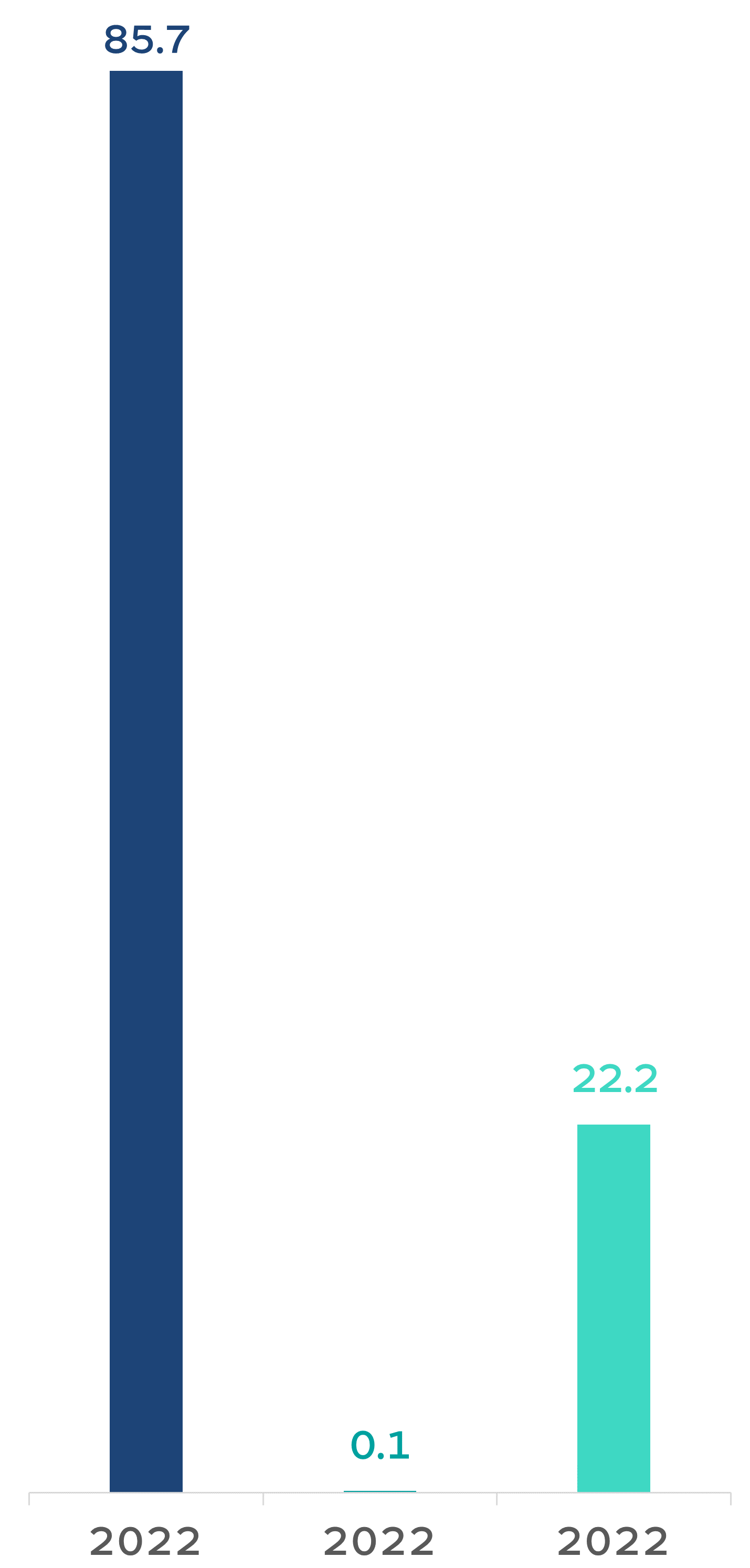
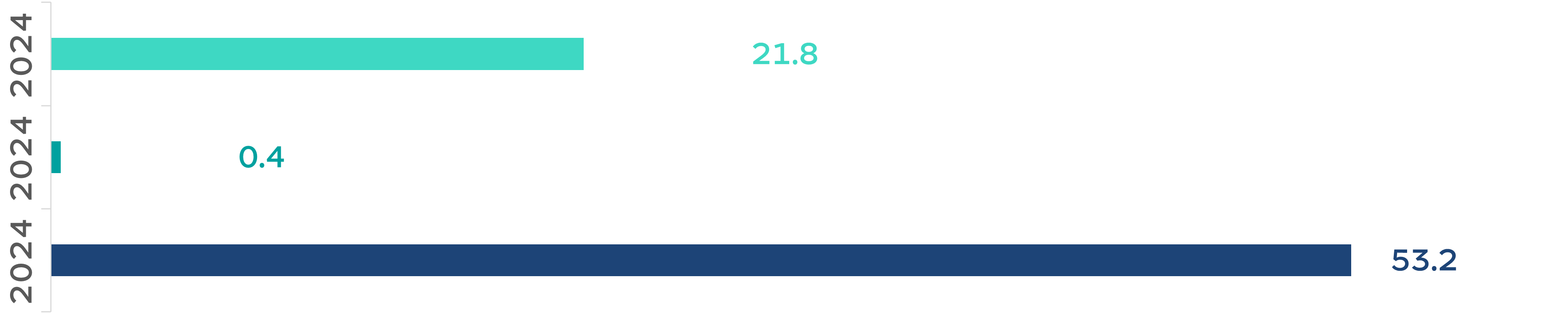
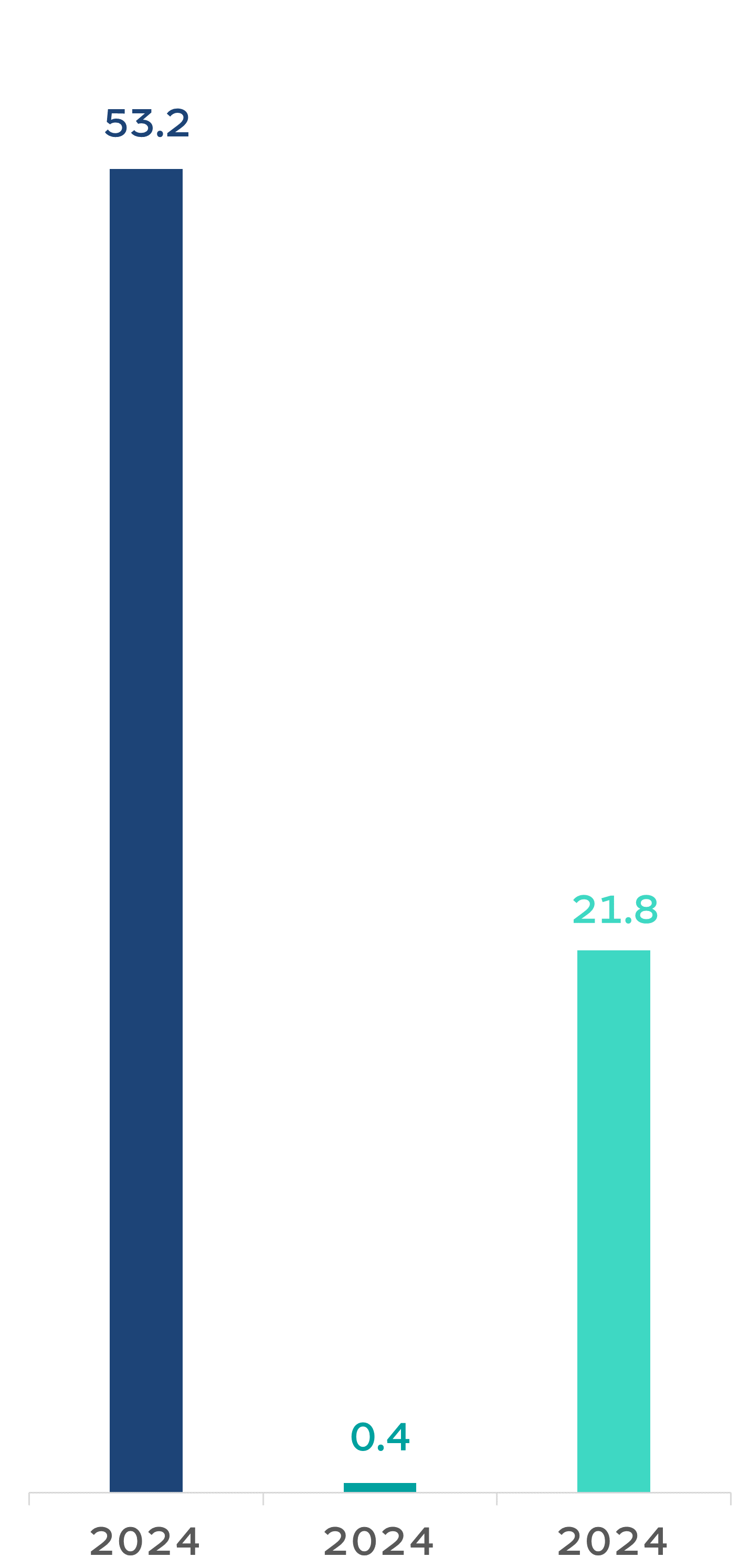
We want to increase the share of women in leadership positions.
A diverse and inclusive corporate culture is important to our growth. Diversity has many facets, one of which is gender equality when filling leadership roles within our company. This is why we have set ourselves the target of increasing the share of women in management positions in our core business by 2030.
Share of men and women in leadership roles in our core business
Our ambition for 2030
2024
2030
We want to grow sustainably.
The energy transition is paving the way to a climate-friendly, reliable and affordable energy supply. RWE is making an important contribution to this cause. In the coming years, RWE plans to invest billions in wind energy, photovoltaics, battery storage, hydrogen-capable gas power stations and electrolysis facilities.
Concurrently, RWE intends to phase out coal-fired power production in a socially acceptable manner by 2030. The lion’s share of the capital expenditure is earmarked for sustainable measures. RWE has committed to bringing 95 % of its capital expenditure in line with the Taxonomy Regulation (EU) 2020 / 852 and to making a major contribution to achieving the climate goals by 2030.

Click on the image to zoom
The deviation from the aforementioned figure (€11,240 million) is due to the fact that non-cash transactions are also taxonomy-relevant and additions to assets resulting from associated acquisitions are considered rather than acquisition expenditure.
The information on this website is from the Annual Report 2024. In the event that the information provided here differs from the audited report, the audited report alone is definitive.